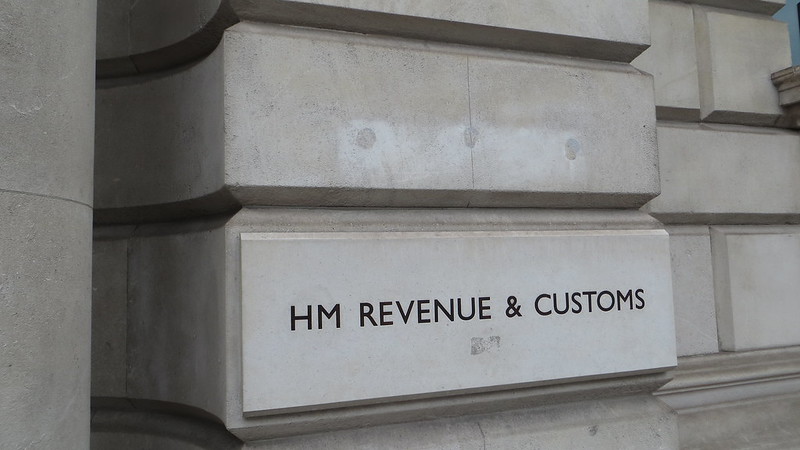
| Image credits: “HM Revenue & Customs” by HowardLake is licensed under CC BY-SA 2.0.
HMRC has recently been active in publishing new guidelines and resources to support businesses with tax compliance. One such recent publication issued September 18, 2024, is the “Help with VAT compliance controls — Guidelines for Compliance GfC8.” This document outlines best practices for VAT accounting and compliance processes, helping businesses reduce the risk of errors and penalties when managing VAT.
PURPOSE AND SCOPE
The purpose of the new guidelines is to offer a structured approach to VAT compliance, ensuring that businesses understand HMRC’s expectations around VAT accounting. These guidelines are designed to assist businesses in planning, executing, and reviewing their VAT-related processes to ensure VAT is accurately declared.
The document highlights key business systems and processes that impact overall VAT compliance, such as sales, purchases, and the preparation of VAT returns. By following these guidelines, businesses can significantly reduce the risk of errors when accounting for VAT.
ROLE OF TECHNOLOGY IN REDUCING ERRORS
One of the critical points raised by HMRC is the use of software that is compliant with Making Tax Digital (MTD). While compliance with MTD is mandatory, these guidelines provide additional control measures that can be used alongside MTD to further reduce the risk of VAT errors.
HMRC encourages businesses to adopt software solutions that help automate VAT reporting processes, but the guidelines go a step further by offering practical control points and examples of good compliance practices. The aim is to provide businesses with the flexibility to tailor these recommendations to their unique operations while ensuring they remain compliant.
TAILORED TO BUSINESS NEEDS
Acknowledging the diversity in business models and structures, HMRC emphasizes that the guidelines are flexible and should be adapted based on each business’s complexity and scale. They are not exhaustive or universally applicable but serve as a framework to help businesses assess and strengthen their VAT processes.
Businesses are encouraged to identify risks in their current VAT systems and implement robust strategies to mitigate those risks. HMRC expects companies to continually review and improve their systems, reducing the chances of errors that could lead to VAT assessments, interest, and penalties.
CROSS-FUNCTIONAL COLLABORATION
An important consideration mentioned in the guidelines is the potential misalignment of objectives across different business areas. HMRC stresses that while VAT compliance may not always be the primary focus of all departments, it is essential for all areas with a VAT reporting impact to collaborate closely with those responsible for VAT compliance. This collaborative effort will help reduce errors that could arise from decisions made in other business functions.
ONGOING GUIDANCE AND SUPPORT
While the guidelines helpfully expand on existing VAT compliance recommendations, they do not change HMRC’s interpretation of the law. Businesses are encouraged to consult HMRC’s technical manuals and guidance for more detailed information on specific VAT issues.
By offering these guidelines, HMRC aims to enhance transparency around VAT compliance, making it easier for businesses to identify potential risks and adopt a proactive approach to managing their VAT obligations. Ultimately, this can help businesses avoid the costly consequences of VAT errors and strengthen their overall tax compliance strategies.
