Introduction: A Strategic Step Toward Inclusive Digital Growth
As part of Egypt’s ongoing efforts to modernize its fiscal infrastructure and engage with the rapidly growing digital economy, the Egyptian Tax Authority (ETA) participated in the RiseUp Summit 2025, held at the Grand Egyptian Museum from May 8 to 10, the ETA’s E-Commerce Tax Unit led the participation, marking the official launch of the New Tax Facilitation Initiative, a comprehensive reform plan aimed at simplifying tax procedures and offering tailored incentives to integrate both resident and non-resident digital actors into Egypt’s formal economy.
Bridging the Gap Between Tax Policy and Innovation
This initiative aligns with the Ministry of Finance’s broader vision to build a flexible and responsive tax system that caters to the evolving needs of the digital economy, it focuses on supporting startups, freelancers, SMEs, content creators, and non-resident platforms, simplifying their tax compliance processes and encouraging their integration into the formal economy.
Opening Session: Government Support for the Initiative
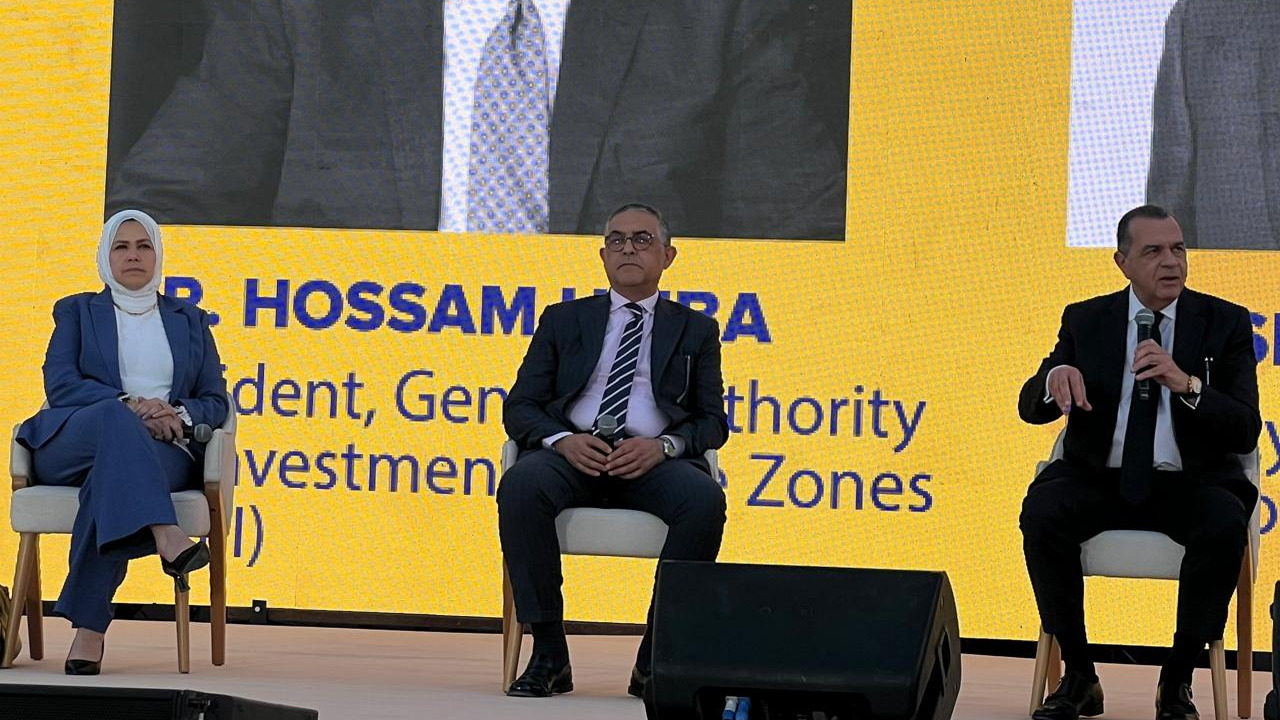
The official session was opened with remarks by Dr. Rasha Abdel Aal, Head of the Egyptian Tax Authority, who emphasized the importance of developing a tax system that can keep pace with the dynamic nature of the digital economy, she was joined by several high-level officials, including:
- Dr. Sherif El-Kilany, Deputy Minister of Finance for Tax Policies
- Dr. Hossam Heiba, CEO of the General Authority for Investment and Free Zones (GAFI)
- Dr. Dania Ghoneim, Vice President, N Gage Consulting – Egypt
- Dr. Tamer Taha, Advisor to the Minister of Planning for Innovation and Entrepreneurship
Dr. Abdel Aal highlighted that the initiative is designed specifically for entities with annual revenues not exceeding EGP 20 million, providing simplified procedures and streamlined onboarding to the formal tax system.

Workshop: Decoding the Legal Framework Behind the Initiative
A dedicated workshop, led by Dr. Abdel Aal, provided attendees with a detailed explanation of the three key laws that form the legal backbone of the new initiative:
Law No. 5/2025: Focused on resolving tax disputes, this law offers eligible taxpayers a pathway to settle outstanding cases and normalize their status with the Tax Authority.
Law No. 6/2025: Introduces new incentives and procedural easements for small-scale enterprises, freelancers, and digital startups with revenues below EGP 20 million, promoting voluntary compliance and supporting sustainable business growth.
Law No. 7/2025: Amends provisions of Unified Tax Procedures Law No. 206/2020, streamlining administrative processes and enhancing access to digital compliance tools like the e-invoice and e-receipt systems.
These legislative updates serve as the foundation of the New Tax Facilitation Initiative, aiming to simplify tax compliance while fostering innovation.
On-the-Ground Support from the E-Commerce Unit
Throughout the summit, the E-Commerce Unit of the Egyptian Tax Authority offered direct consultations to digital entrepreneurs and businesses, their hands-on approach provided real-time guidance on how to benefit from the new measures, reflecting a shift towards a more service-oriented and accessible tax administration.

Towards a Smart and Inclusive Tax Future
The launch of the New Tax Facilitation Initiative at RiseUp 2025 signals Egypt’s commitment to creating a future-ready tax ecosystem that embraces entrepreneurship, technology, and inclusive economic participation. By targeting both resident and non-resident digital actors, Egypt is positioning itself as a regional leader in digital tax reform, in line with its Vision 2030 goals.
Conclusion: A Model for Public-Private Collaboration
The Egyptian Tax Authority’s engagement at RiseUp 2025 serves as a strong example of how public institutions can collaborate with the innovation community, the New Tax Facilitation Initiative demonstrates a forward-thinking approach to governance—one that recognizes the evolving nature of digital economies and responds with clarity, efficiency, and partnership.
