
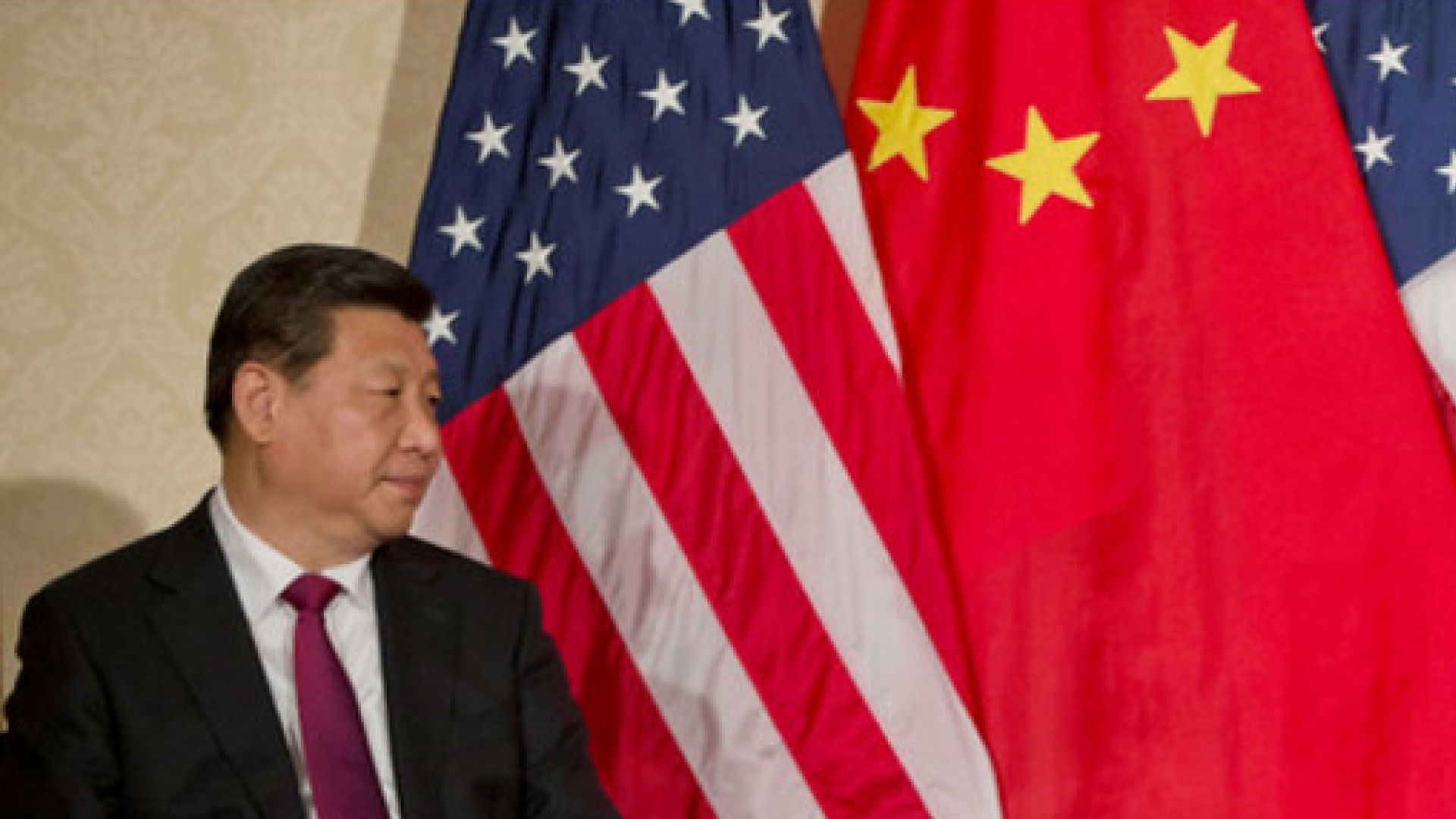
| Image Credits: “Chinese President Xi Jinping during a bilateral meeting” by U.S. Embassy The Hague
China recently approved a significant $1.4 trillion debt package to reinvigorate its economy, which has been facing mounting challenges due to debt burdens and a slow growth trajectory. The package, which involves debt refinancing for local governments, arrives as the nation braces for heightened global tension, especially given Donald Trump’s re-election to the U.S. presidency. Trump’s return could mean renewed economic confrontation with the U.S., adding to the stakes of China’s latest financial moves.
CHINA’S DEBT PACKAGE: RELIEF FOR LOCAL GOVERNMENTS
On October 3, 2022, China’s government introduced a substantial debt refinancing package aimed at reducing the financial strain on local governments. The $1.4 trillion initiative, split across different borrowing mechanisms, is part of China’s efforts to stabilize its economy.
-
Primary Debt Mechanisms: China’s Finance Minister, Lan Fo’an, detailed that a cap of 6 trillion yuan ($838 billion) would be provided over three years, allowing local governments to replace “hidden debt” incurred by local government financing platforms. In addition, a 4 trillion yuan ($558 billion) quota was established for special bonds, designed to further ease debt levels over a five-year period.
-
Economic Objectives and Limitations: The debt refinancing aims to lower interest costs for local governments, enabling them to channel resources toward economic growth.
THE IMPACT OF TRUMP’S RETURN ON CHINA’S ECONOMY
The re-election of Donald Trump brings a new wave of uncertainties for China’s economy. Known for his hardline stance against China, Trump’s policies in his first term included tariffs, technology restrictions, and trade limitations. His second term could mean renewed trade wars and additional economic pressure on China.
-
Potential Tariffs and Economic Risks: Trump’s campaign trail promises include a proposed 60% tariff on Chinese imports, which would profoundly impact China’s economy. Such tariffs threaten China’s export-driven growth model, adding a significant burden to an already slowing economy.
-
Challenges to Global Supply Chains: Increased tariffs would also disrupt global supply chains, impacting not only China and the U.S. but also economies intertwined in manufacturing and production networks worldwide. This escalation could lead to global economic repercussions, affecting businesses and consumers alike.
CHINA’S BALANCING ACT: STIMULUS AND STRATEGY AMID GLOBAL HEADWINDS
China’s debt package and strategic positioning underscore the delicate balance Beijing is attempting to maintain in the face of internal economic pressures and external geopolitical shifts. The government’s aim is to achieve moderate economic growth while navigating the evolving relationship with the U.S. and mitigating risks posed by renewed tariffs and trade barriers.
