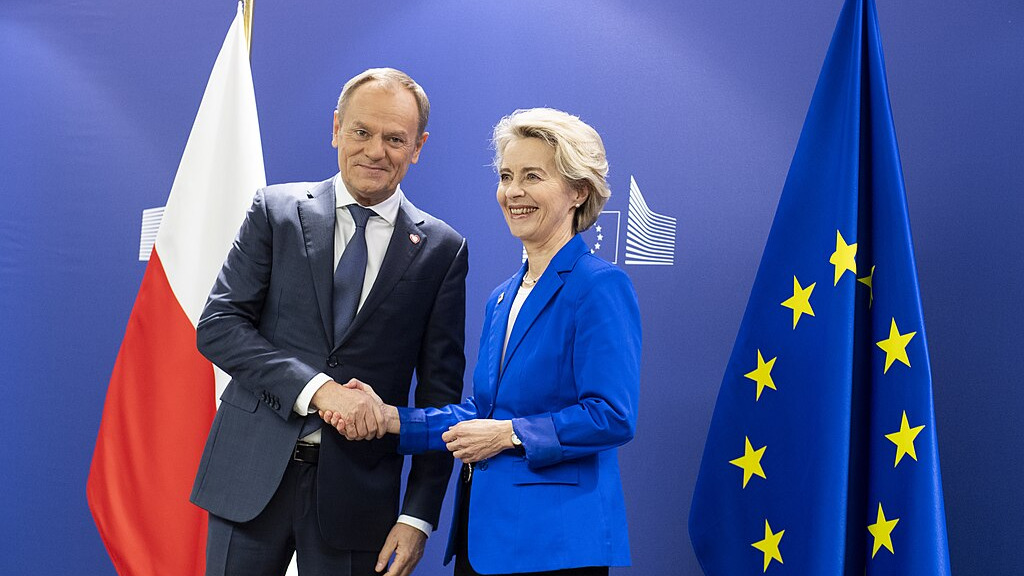
As Poland took over the Presidency of the Council of the European Union from January to June 2025, its leadership will focus on key economic and financial initiatives. The Polish Presidency aims to advance work on the implementation of the EU’s economic governance framework, financial services legislation, direct and indirect taxation policies, customs union reform, and the EU budget for 2026.
STRENGTHENING TAX GOVERNANCE AND COMPETITIVENESS
A major priority for Poland will be addressing harmful tax competition to enhance EU competitiveness. This includes updating the EU list of non-cooperative jurisdictions for tax purposes and assessing the commitments of cooperating jurisdictions in upholding good governance principles. The revised list is expected to be approved through Council conclusions in February 2025.
In direct taxation, the Presidency will continue progress on the ninth Directive on Administrative Cooperation (DAC9), which facilitates the exchange of tax-related information under Pillar II of the OECD’s BEPS 2.0 framework (GloBE system). Ensuring full alignment with OECD standards will be a key objective to maintain the competitiveness of the European economy.
CLOSING THE VAT GAP AND ENHANCING INDIRECT TAXATION
Poland also plans to intensify efforts to reduce the VAT gap, with a particular focus on tightening VAT regulations in the e-commerce sector. Measures will be introduced to curb irregularities in distance sales of imported goods via electronic platforms. Additionally, should the European Commission propose new legislation on excise duties for tobacco products and their substitutes, the Polish Presidency will facilitate discussions on this issue.
Further, work will continue on revising the Directive on the taxation of energy products and electricity to align with evolving EU energy and climate policies.
REFORMING THE CUSTOMS UNION AND STRENGTHENING BORDER CONTROLS
Customs reform will be another central pillar of Poland’s agenda. The Presidency will advance negotiations on the creation of the EU Customs Authority, aiming to secure a Council position and a mandate for talks with the European Parliament.
Additionally, Poland will prioritize strengthening customs relations with neighboring countries, including Ukraine, Moldova, and the Western Balkans, particularly in the context of their potential EU accession. Steps will also be taken to support the establishment of the EU Customs Alliance for Borders (EUCAB), an initiative to enhance cooperation among Member States in customs border management.
Poland will also focus on ensuring the effective implementation of EU sanctions against Russia and Belarus by customs authorities. Furthermore, efforts will be made to enhance the EU’s influence within the World Customs Organization.
