
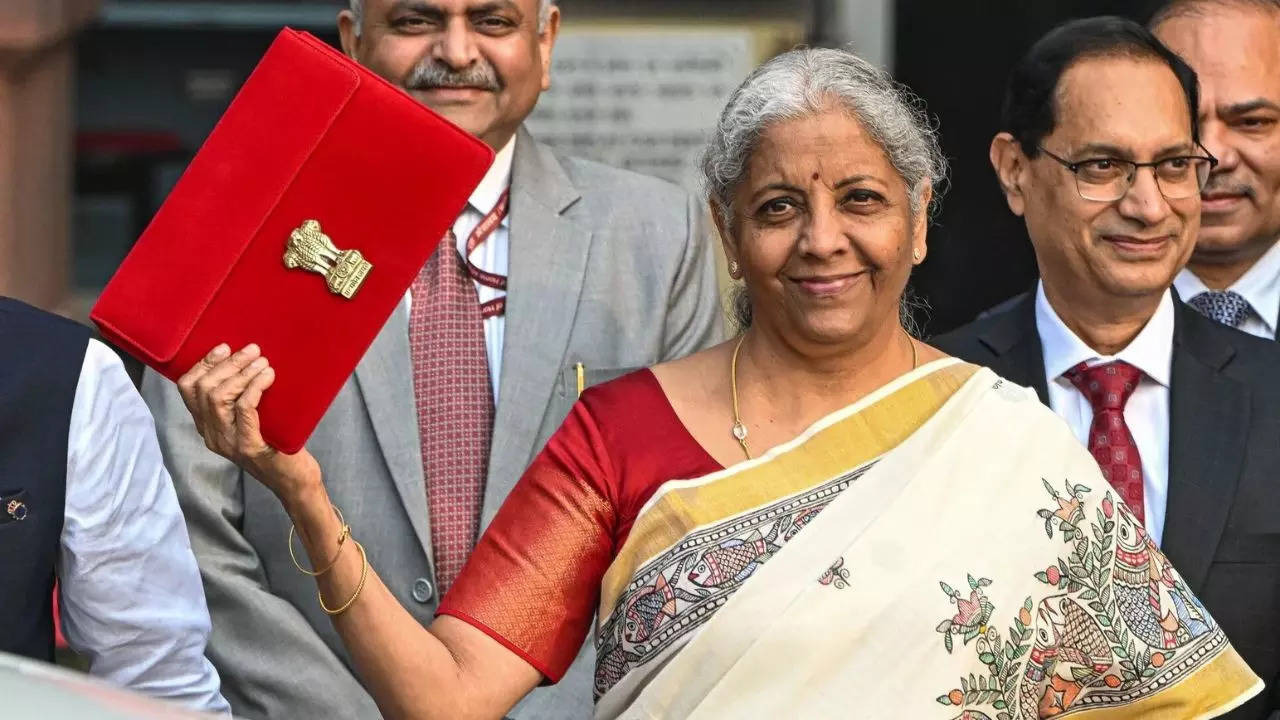
India’s Finance Minister has presented the Union Budget 2025, introducing a series of tax proposals aimed at enhancing ease of doing business, reducing litigation, and strengthening the International Financial Service Center (IFSC). The budget also sets the stage for a new Income Tax Bill, expected to streamline tax regulations and improve clarity for businesses and individuals.
KEY HIGHLIGHTS:
-
New presumptive tax regime for nonresident service providers in electronics manufacturing
-
Extended tax incentives for start-ups, sovereign wealth funds, and pension funds
-
Strengthened IFSC incentives, including tax exemptions for corporate treasury centers
-
Simplified transfer pricing (TP) audits through a “block scrutiny” approach
-
Modified customs duties to promote semiconductor and clean energy industries
-
No immediate updates on BEPS Pillar Two, though global expectations remain
NEW INCOME TAX BILL: SIMPLIFYING COMPLIANCE
A key budget announcement is the introduction of a new Income Tax Bill, set to be tabled in the week of February 3, 2025. The government aims to make tax laws more concise and easier to understand, reducing litigation risks while ensuring greater tax certainty.
CORPORATE TAX AND INCENTIVES
The corporate tax rates remain unchanged. However, tax exemptions for investments by sovereign wealth funds and pension funds will be extended until March 31, 2030. Similarly, start-ups will have until this date to incorporate and claim tax holidays.
Additionally, Updated Tax Returns, which currently allow taxpayers to declare additional income within three years, will now have a five-year window, subject to conditions. Tax Collection at Source (TCS) on goods sales will be abolished.
INTERNATIONAL TAX AND TRANSFER PRICING
A new presumptive tax regime is proposed for nonresidents providing services or technology to Indian electronics manufacturers. Under this scheme, 25% of gross receipts will be taxed on a presumptive basis, effectively applying a 10% tax rate.
To streamline Transfer Pricing (TP) audits, the government will introduce an optional “block assessment” approach, covering a three-year period in a single audit, reducing annual compliance burdens. Additionally, Safe Harbor Rules will be expanded to minimize litigation risks.
IFSC: STRENGTHENING INDIA’S FINANCIAL HUB
The government continues its commitment to developing IFSC, extending various tax benefits until March 31, 2030. A key proposal excludes corporate treasury centers from deemed dividend taxation, simplifying intra-group financial transactions within IFSC entities. Other incentives include:
-
Tax exemptions for ship leasing units
-
Exemptions for derivative contracts and life insurance policies
CAPITAL GAINS & BUSINESS RESTRUCTURING
New proposals aim to provide clarity and certainty for investors and businesses:
-
Securities held by Category I and II Alternative Investment Funds will be classified as capital assets to ensure capital gains tax treatment.
-
Long-term capital gains tax for Foreign Institutional Investors and certain trusts will be rationalized at 12.5%.
-
Amalgamated companies will only be allowed to carry forward losses for up to eight years from the original recording year.
Further, the merger approval process will be simplified, expanding fast-track options to facilitate business restructuring.
INDIRECT TAX PROPOSALS: CUSTOMS DUTY & GST
To boost local manufacturing, customs duties on raw materials used in electronics and semiconductor production will be reduced. Additionally, clean energy incentives will continue, including duty exemptions for EV battery components.
For GST appeals, taxpayers will now need to pre-deposit 10% of the penalty amount when filing before the First Appellate Authority and GST Tribunal.
