INTRODUCTION: EXPANDING THE IRS DIRECT FILE PROGRAM
A group of prominent US lawmakers has called for the expansion of the IRS Direct File pilot program in a letter addressed to Scott Bessent, Secretary-Designate of the U.S. Department of the Treasury, and Billy Long, Commissioner-Designate of the Internal Revenue Service (IRS). The letter urges the nominees to support the program’s continuation and expansion upon their confirmation, highlighting its initial success and positive impact.
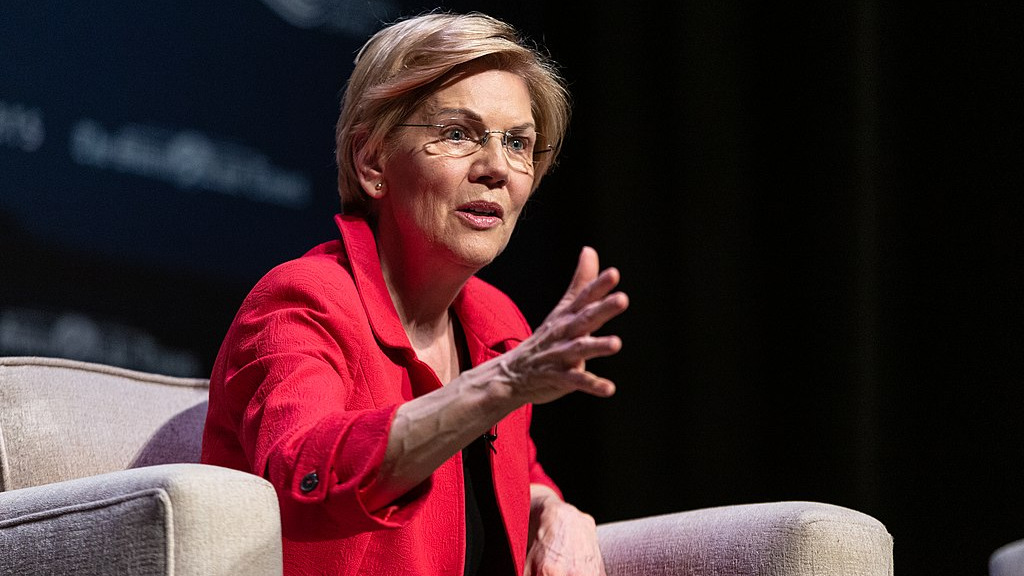
The IRS Direct File pilot program, launched in March 2024, allows taxpayers to file their taxes directly with the IRS for free. The program was developed in response to public demand for a more straightforward, secure, and cost-effective tax-filing option. Lawmakers, including Senators Elizabeth Warren, Ron Wyden, and Edward J. Markey, along with Representatives Judy Chu and Brad Sherman, praised the program for reducing tax preparation costs and boosting taxpayer trust in the IRS.
SIGNIFICANT COST SAVINGS AND USER APPROVAL
According to the lawmakers, the Direct File program saved taxpayers approximately $5.6 million in federal tax preparation fees in its first year. It is projected to save up to $11 billion annually when fully scaled. The program received high approval from users, with nearly 90% reporting increased trust in the IRS and satisfaction with the ease of use. In 2024, the program helped over 140,000 taxpayers file their returns efficiently, with many completing the process in less than an hour.
IMPACT ON THE TAX PREPARATION INDUSTRY AND COMPETITION
The letter emphasized that the Direct File program aligns with the goals of President-elect Donald Trump’s Department of Government Efficiency, led by Elon Musk and Vivek Ramaswamy. Lawmakers noted that the initiative could make tax filing more accessible and less burdensome for millions of Americans.
FUTURE EXPANSION AND STRATEGIC BENEFITS
Plans are underway to expand Direct File to 25 states for the 2025 tax season, potentially benefiting over 30 million taxpayers. The letter urged Bessent and Long to ensure the program’s expansion, highlighting its role in reducing dependency on third-party services and safeguarding sensitive financial data.
The lawmakers expressed optimism that the Direct File program could become a permanent feature, offering a simple, free, and secure way for Americans to meet their tax obligations. They also noted bipartisan support for the program and its potential to foster healthy competition in the tax preparation industry.
