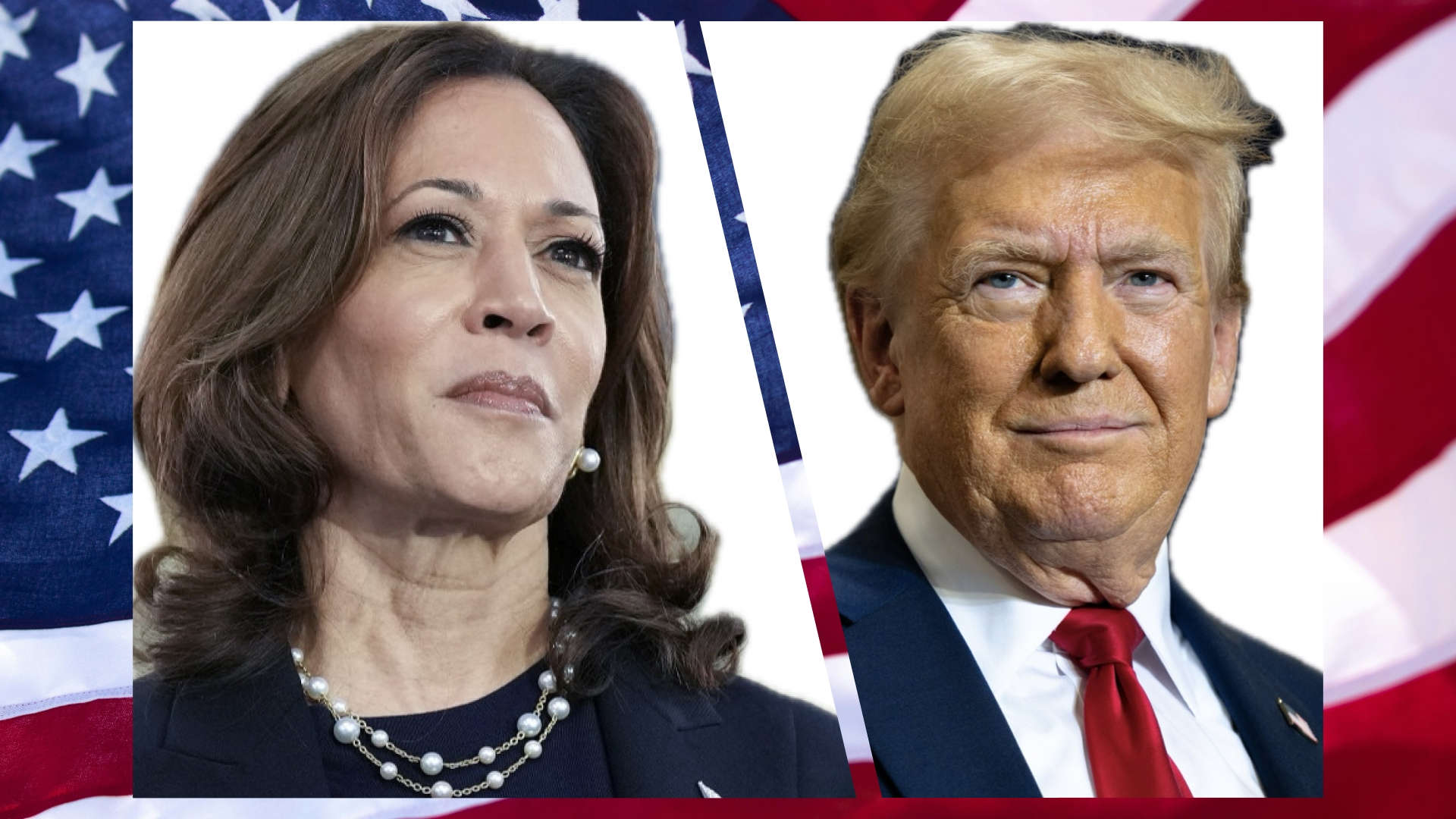
| Image Credits: Vice President Kamala Harris and Former President Donald Trump, collage
The latest updates on U.S. international tax policy developments highlight the evolving landscape ahead of the 2024 elections, legislative actions, and regulatory proposals impacting corporate and digital asset taxation.
KAMALA HARRIS SUPPORTS BIDEN ADMINISTRATION’S INTERNATIONAL TAX PROPOSALS
Democratic presidential candidate Vice President Kamala Harris has publicly endorsed the Biden Administration’s international tax reform proposals. As part of the “New Way Forward to Build American Industrial Strength” initiative, Harris’s support centers on America Forward tax credits aimed at boosting emerging industries. The plan is expected to cost approximately $100 billion and will be funded in part through international tax reforms designed to prevent a global race to the bottom, discourage corporate inversions, outsourcing, and tax avoidance strategies by corporations.
The broader “America Forward” plan builds on existing policies like the Bipartisan Infrastructure Law, the CHIPS and Science Act, and the Inflation Reduction Act (IRA), extending industrial policy to enhance targeted investments.
Senate Finance Committee Chairman Ron Wyden (D-OR) and other Democrats are drafting legislation based on Harris’s tax proposals. The goal is to have the legislative framework ready for enactment should Harris win the presidential election.
TRUMP REITERATES TAX AND TARIFF PROPOSALS
Republican candidate and Former President Donald Trump reiterated his economic agenda recently, which includes a 15% “Made in America” tax rate for companies producing goods domestically. Trump’s proposals also feature substantial tariffs on imported goods, with rates previously outlined between 10%-20%, 60% for products from foreign adversaries, and potentially up to 100% or 200% for foreign automobiles.
PROPOSED CAMT REGULATIONS AND DEPRECIATION RULES
A Treasury official addressed the recently proposed corporate alternative minimum tax (CAMT) regulations, particularly concerning depreciation rules. The government is considering introducing additional safe harbors and simplifications to reduce the compliance burden associated with CAMT depreciation.
The proposed CAMT regulations include two different effective dates: some provisions will apply to tax years ending after the proposed regulations are published in the Federal Register, while others will apply following the final publication. These staggered dates reflect the complexity of the rules and the administrative challenges involved. Taxpayers may rely on the proposed regulations for earlier tax years if specific requirements are met.
UPCOMING DIGITAL ASSET REPORTING GUIDANCE
A Treasury official announced plans to release guidance on digital asset noncustodial broker reporting by the end of the year. This follows the IRS’s final regulations issued in July (TD 10000) on digital asset sales, alongside Notices 2024-56 and 2024-57, which offer transitional relief for digital asset brokers. The IRS also released Revenue Procedure 2024-28, providing guidance for taxpayers on allocating basis among digital asset wallets and accounts.
The Treasury and IRS are also advancing regulations to implement the OECD’s crypto-asset reporting framework, which will follow the release of the noncustodial broker reporting guidance. These developments underscore the government’s commitment to enhancing compliance and oversight in the rapidly evolving digital asset space.
SOURCE/RECOMMENDED READ:
