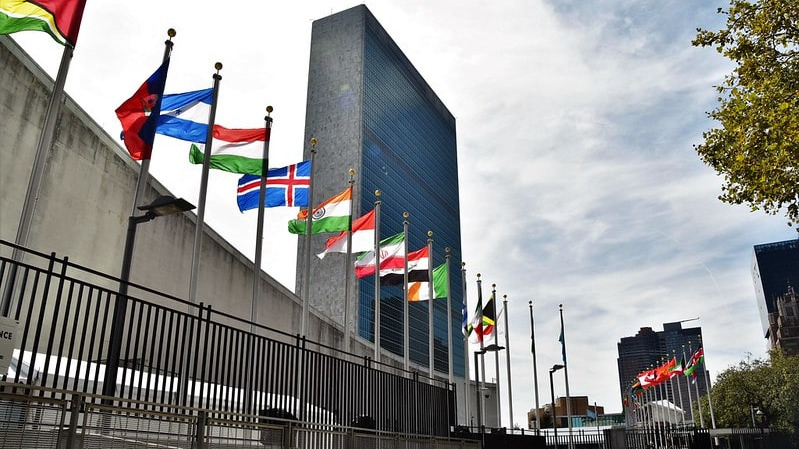
In a firm stance against the proposed UN Framework Convention on International Tax Cooperation, the United States announced its decision to withdraw from the negotiation process, citing concerns over sovereignty and policy overreach.
Speaking at the session for the Intergovernmental Negotiating Committee, Jonathan Shrier, Acting Representative to the UN Economic and Social Council, made it clear that the U.S. does not support the objectives of the proposed framework.
“The goals of a future UN Framework Convention on International Tax Cooperation are inconsistent with U.S. priorities and represent unwelcome overreach,” Shrier stated. “We do not plan to participate further in this organizational session, process, or negotiating text.”
He further criticized the convention’s potential impact on national tax autonomy, warning that it could limit the ability of nations to implement tax policies tailored to their citizens, businesses, and workers.
Shrier also expressed frustration with the negotiation process itself, highlighting that the U.S. had repeatedly voted against key procedural steps, only to be met with “inflexibility” from other participants.
As a result, the U.S. intends to reject the outcomes of the negotiations and has called on other nations to join in opposition.
This announcement marks a significant challenge to the UN’s efforts to establish a global framework for tax cooperation, underscoring broader tensions between national sovereignty and international regulatory initiatives.
